
Iron levels have a huge role to play in our day to day lives, and when you’re iron deficient, it can cause a lot of symptoms.
The symptoms I usually talk with patients about are fatigue, lack of concentration, pale skin, weakness, dizziness and recurrent illness.
A lot of people experience these in their day to day lives, so a blood test is often needed to find out whether these symptoms are being cause by low iron.

Iron is also needed to make red blood cells. Fun fact – your red blood cells live for an average of 120 days. When they burst, at the end of their beautiful lives, your body will mop up the iron that was needed to make them and use it again. For some people, if they are severely deficient in iron, their body struggles to make enough red blood cells, and they become what we call anaemic, and we say that they have iron deficiency anaemia. Luckily, most people with low iron are not anaemic.
Why are some people low in iron?
The simple way of explaining why someone might be low in iron comes down to ins and outs. Either you are not getting enough iron into your system (be it through eating foods high in iron or issues with absorbing it), or you might be losing it, such as through your gut, or losses through periods, which is why women are more prone to it, or even if you donate blood. Women also tend to eat less red meat, and more white meats which has much less iron in it.
Pregnancy is also a time where women can often find themselves low in iron. A growing baby needs iron make their own blood, muscles and store their own. This comes from their mother. Childbirth itself is also an event where much blood is lost, regardless of whether you give birth naturally or via a C-section (and I’m not even talking about people who have had a huge bleed after delivery, which we call a post partum haemorrhage ).
Kids too, can often be low in iron, especially when they are younger and go through their fussy phase (I have one going through that phase right now!), or when they become what we call a milk-o-holics, drinking lots of milk and getting their energy from that rather than food. We don’t always need to do a blood test on kids, a lot can be gained from a good history and clinical examination, so I always recommend seeing your GP if you’re worried your child might be low in iron (think fussy eater, not a lot of red meat, tired, pale skin and recurrent infections).
How can you correct iron deficiency?
There are certainly a few ways to correct the deficiency, depending on what is causing it.
If someone is having heavy periods, we can help reduce bleeding and hence the loss of iron that way.
If they are not eating a lot of red meat, or iron rich foods, we can talk about diet and add more in.
We can also talk about taking iron supplements, which there are a LOT of on the market, both tablets and liquids, the latter being very useful for kids.
There’s proof out there that taking an iron tablet every second day, can be just about as effective as taking it everyday. This can be helpful if people are having side effects with iron tables – the most common I’ve seen being constipation or some abdominal pain.
The other option is always iron infusion, which is also safe in pregnancy, and which I do after 24 weeks usually (can be earlier if the woman is very symptomatic).
I often start someone off on an iron tablet daily, any one of their choice, and if they get side effects, change to every second day. If side effects continue, they can always try another tablet and do the same.
If we’re worried that you are losing it from your gut, we might even recommend further testing or referral to a gastroenterologist, which is a doctor who can perform procedures where they look at the insides of the bowels with a camera (scopes).
Optimising your iron absorption
Whether we’re talking about getting more out of your diet, or even if we’re talking about getting the most out of the tablet that you’re taking, there’s a few tricks you can use to optimise the iron you’re absorbing.
Calcium actually block the absorption of iron, so ideally you’re not taking your supplement within 2 hours of having calcium. A lot of the time people take their tablets at breakfast, where they often have milk in their cofee or on their breakfast.
Rather than wake up 2 hours earlier, I often suggest taking it before going to bed, where the chances of milk consumption recently are reduced.
Vitamin C also helps with the absorption of iron, which is why some tablets have it added in (you might even be able to think of a popular supplement that has the name C in it).
Where possible, I say to people, if you have orange juice at home, have a glass of it with a steak or your spaghetti bolognaise as it will help your body absorb the iron.
Resources
My favourite resource to give to patients regarding iron, and what foods they can find it in, is the nutrition Australia fact sheet below.
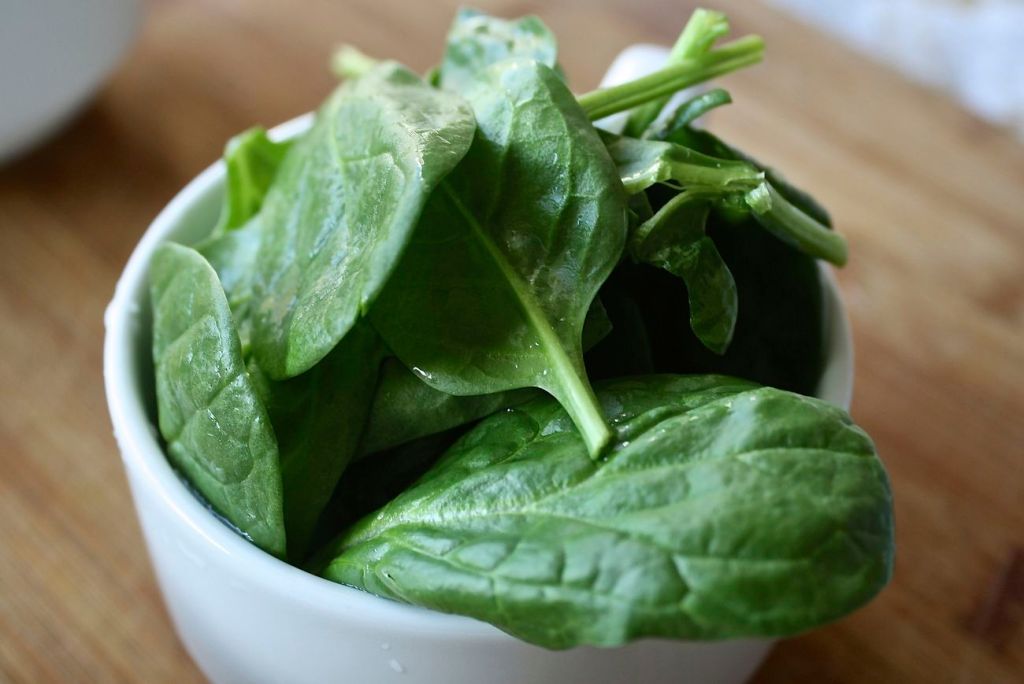
Another fun fact – spinach is not as high in iron as people think. When the levels of iron in spinach were published, they got the decimal place in the wrong spot, so it was reported to be 10x higher in iron than it really was. By the time this was realised, good old spinach had made its way into urban legend as being super high in iron.
 Dr Rosie Gentle