
Contraception is a huge topic to cover, mainly because there are so many options out there (which is a great thing in of itself, really).
The main ones I tend to discuss with patients are the oral pill options, and long acting revisable options such as mirena, implanon and copper intrauterine device. This is because these are the most reliable options we have. I have, however, written about most of the options out there as I believe patients should be given all the information on what their options are, including how effective they are, so they can make an informed decision.
Methods I have NOT gone into are the withdrawal method, and billings method. If you want to talk with your health care provider regarding these, you can.
Options are ordered based off the frequency I discuss them with patients. The latter few don’t come up too often, but still deserve a mention for completeness.
Emergency contraception is mentioned down the bottom of this page.
All areas have links provided.
COMPARING HOW EFFECTIVE BIRTH CONTROL OPTIONS ARE
Not all forms of contraception are as effective as each other. When talking about effectiveness, they can be listed as effectiveness in both the ideal scenarios, that is when used perfectly with no human error, and also in ‘real life’, which is often much lower as human error has been factored in (eg forgetting a pill or condom breakage as a few examples).
Real life effectiveness is much more indicative of how well contraception will work, so I will tell patients to take more notice of these percentages, compared to in a perfect situation. There are no contraceptive methods, other than abstaining from sexual intercourse, that are 100% effective (this is not referring to same sex couples).
The CDC link below shows a good comparison between how effective contraceptive methods are, though not the best format I’ve found.
*CDC – Birth Control Methods – including failure rates
A clearer diagram was published by the Australian Family Physician, October 2017, volume 46. It’s a very good visual of how effective different contraceptive methods are.

CONTRACEPTIVE OPTIONS
PILLS
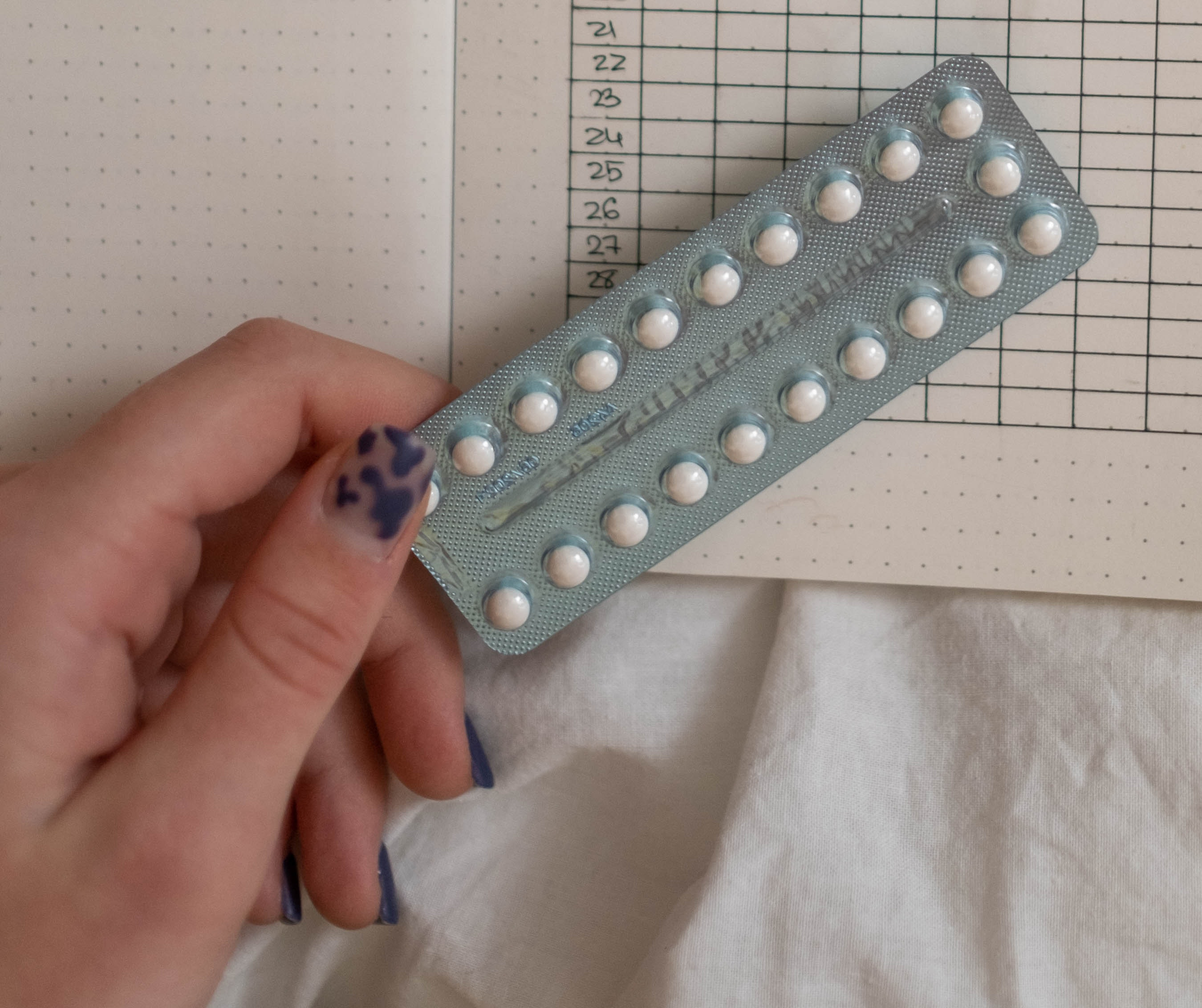
*COMBINNED ORAL CONTRACEPTIVE PILL (The ‘pill’)
The combined oral contraceptive pill (COCP), or what is commonly known as ‘the pill’ has both oestrogen and progesterone in it. COCP has a larger window in which the pill can be taken to still be effective, compared to progesterone only pill (POP).
Other benefits for COCP include that you can decrease how heavy your periods are, you can skip periods, and you can treat other issues at the same time, such such as acne.
There are quite a few contraindications to taking the combined pill, however, which means you need to have a good chat with your GP to see if it suits you.
There are many different types of COCP available on market and your GP can work out which one will likely be the best one for you.
*PROGESTERONE ONLY PILL (the ‘mini pill’)
The second type of pill is called the progesterone only pill (POP), or many people know it as ‘the mini pill’.
The POP is JUST as effective as any other contraception if taken properly, but has a very tight window where it needs to be taken , 3 hours in fact.
If you miss this by 3 hours, you need to use emergency contraception if sexually active recently and other contraception for 3 days as fertility goes back to baseline when pill missed by that 3 hours.
Most of my women set alarms on their phones when taking this, and have not had issues forgetting it.
This is a great option for women wanting to get pregnant ASAP when stopping a pill, or perhaps are contraindicated to taking a COCP. There is a newer POP with a larger window in which it can be taken, but is a lot more expensive.
Downsides are that you cannot skip periods, and it often won’t do much to change any heavy or painful bleeding. This pill helps with contraception only.
Some clearer information regarding missing POPs, both short and long ones is listed below
*PROGESTERONE ONLY PILLS – SEXUAL HEALTH VICTORIA
The mirena is a device that is placed directly into the uterus. It can be used for 5 years, or longer if you’re over 40 and have had a discussion with your doctor. A huge benefit is that 85% of women have NO bleeding after 12 months. When taken out, your fertility will return to baseline within 24 hours so it’s great when you’re looking for a quickly reversible option. This a great option for women who have heavy or very painful periods.
A copper IUD is a non hormonal option, which a lot of people like the idea, but does increase the heaviness of periods, so not for everyone. It is placed inside the uterus, like the mirena and can stay in for 5-10 years, depending on the type.
SUBCUTANEOUS LONG ACTING REVERSIBE CONTRACEPTION
The implanon is a progesterone rod that needs to be inserted under the skin in upper arm. It lasts for up to 3 years. When taken out, your fertility goes back to baseline with 24 hours.
20% of people have no bleeding on this, 20% have irregular periods / periods and 60% have intermittent spotting.
BARRIER METHODS
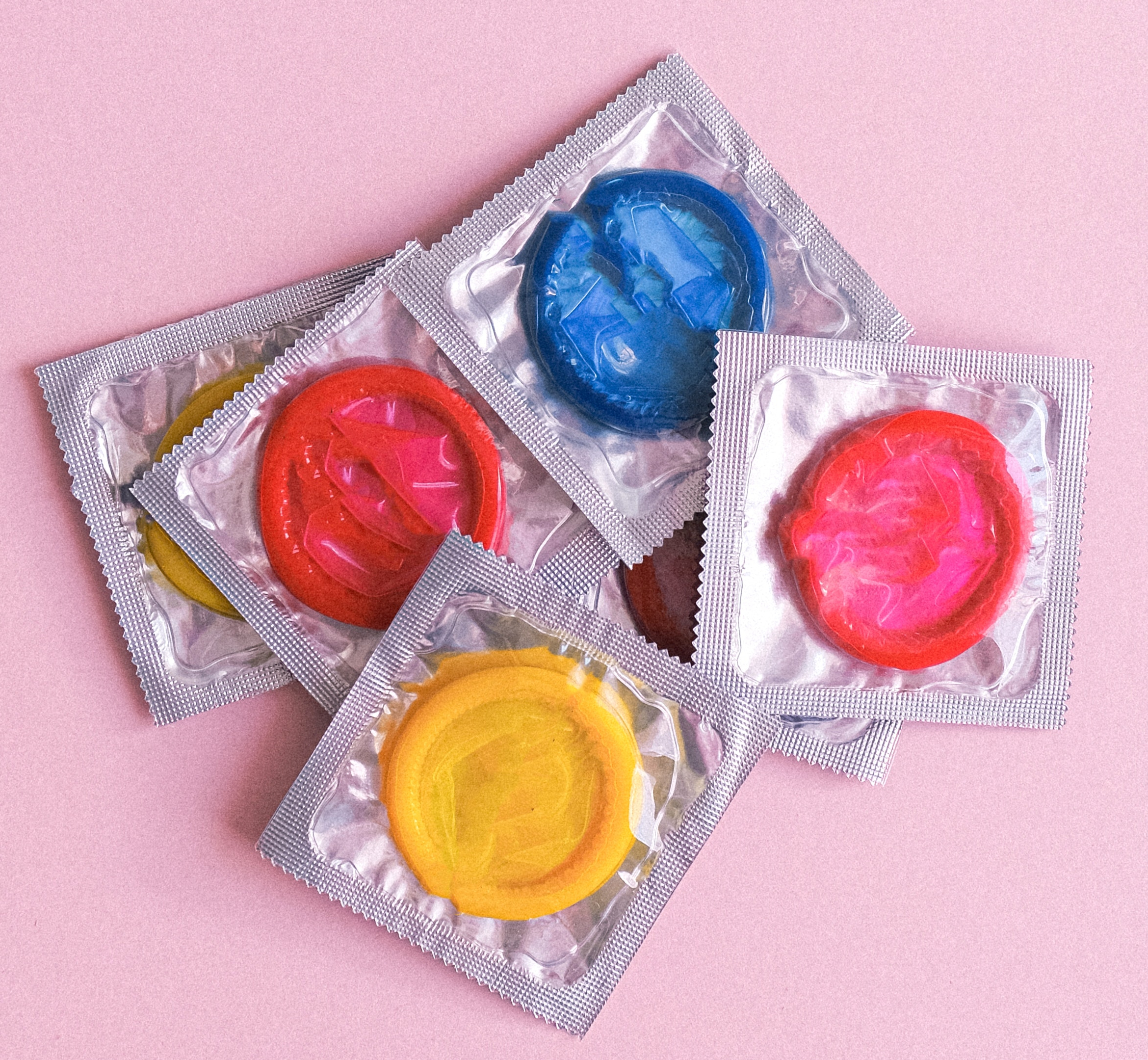
Condoms are the best know barrier contraception there is. They do, however, high failure rate, with effectiveness only around 90%, which most people do not realise. There are many factors which can contribute to this, such as damage or breakage, or not being applied correctly. A huge benefit is that they can help prevent the spread of sexually transmitted infections (STIs), however, they are not perfect at this either. Condoms can certainly be used as a second line of contraception to reduce the spread of STIs.
The diaphragm is a device women place internally. It has the highest failure rate of all forms of contraception I’ve discussed on this page, being 86% with perfect use, and 82% in real world use. That’s too high for me to really recommend it, but just be aware it’s an option, and the reason I do not usually recommend is the high failure rate.
INJECTABLE
The contraceptive injection is available, and needs to be given every 12 weeks. There are a few reasons why it can’t be given, but the main reason I don’t like to give it, is that a very common side effect on it is weight gain, which a lot of women find very distressing (which is understandable). If you’re getting a less that desirable side effect, there’s nothing you can do until it’s worn off after 12 weeks. It’s very variable between women when periods will start after coming off this as well, meaning, it’s not the best option if you want to get pregnant right after. Not one that I recommend routinely.
SURGICAL OPTIONS
A very safe and easy day procedure not needing any general anaesthetic.
Some of the issues I’ve had raised with me by patients include men not thinking they will ejaculate (incorrect, you do, just without sperm) and that women will think that they’re less manly or attractive as they are no longer able to have children.
When reassured that they will not be seen as less attractive, in fact, quite the opposite, the conversation around the vasectomy often changes.
This one is not my favourite forms of contraception, unless done when the abdomen is already open (eg during a Caesarean section) because any extra surgery in the abdomen can lead to complications, later down the track, as well it not being as effective as a vasectomy. This option also requires a general aaesthetic, whereas the vasectomy does not.
EMERGENCY CONTRACEPTION
The morning after pill is available over the counter at pharmacies. This stops ovulation if it has NOT happened yet. It is more effective the sooner it is taken after sex, however, I have see the morning after pill fail when sex happened the same night as ovulation, even though taken very shortly after. You can get irregular bleeding after this.
This can be inserted within 5 days of unprotected sex. It will disrupt sperm movement and will stop fertilisation or implantation, but is NOT effective after the egg has implanted.
IN CONCLUSION…
As you can see, there are SO many options out there, and a dew others I haven’t mentioned on this page.
Even within the groups, there are often numerous options available, such as the pill. The most important thing for me, is that my patients have all the relevant information that they need, to make the best choice for themselves, and their reproductive health. That’s it! And what a joy it is to help people find their freedom.

 Dr Rosie Gentle